Cancer and cannabis treatment: what does science say?
About 400 new diagnoses are registered in Ukraine every day. About 15 – every hour. These scary numbers are easier to understand with a personal example – not everyone in the immediate environment has patients who won, did not win or are fighting the disease just now.
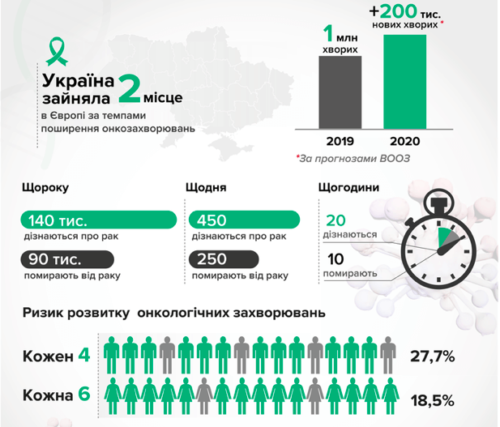
There is another painful statistic: 70% of cancer deaths in countries with a low standard of living. That is, people die more often in Ukraine than in Europe, the USA or Canada. This is, after all, a complex question – both about the way of life and about the level of medicine. However, there is one obvious difference in the treatment protocols, which Ukrainian patients have been shouting about for years – this is cannabis and drugs based on it.
Can cannabis cure cancer?
Three years ago, we confidently said – no, it does not cure. After all, there were no relevant studies, only stories on the Internet. Here’s what the American Cancer Society website says today: “More recently, scientists have reported that THC and other cannabinoids, such as CBD, slow the growth and/or cause the death of certain types of cancer cells in vitro (i.e., in a test tube). Some animal studies also suggest that certain cannabinoids may slow the growth and reduce the spread of some forms of cancer”.
There have been several early clinical trials of cannabinoids in the treatment of cancer in humans, and more studies are planned. Although studies so far have shown that cannabinoids may be safe in the treatment of cancer, they do not show that they help control or cure the disease.”
It is important to understand that such large public institutions as the Cancer Society never make statements without a solid scientific basis. Yes, it will take years and years of clinical research to prove (or disprove) that cannabis cures cancer, but scientists are already showing results that cannot be ignored.
Canada: Research by Olga and Ihor Kovalchuk
Ukrainian scientists currently studying cannabis in Canada and actively helping us fight myths and prejudices in Ukraine, this year presented cannabis varieties and drugs based on them, as well as protocols for their treatment, which are effective in the treatment of some forms of cancer. Scientists aimed to find a less toxic than chemotherapy, but no less effective treatment. And they succeeded! The advantage of their method is that cannabis, while killing cancer cells, does not touch healthy cells at all.
Recently, we held an online session on cannabis and cancer treatment, where Professors Kovalchuks spoke and explained in detail how they build their scientific work – take a look!
Australia: Research by Matt Dunn
The research lasted for three years at the University of Newcastle and showed the considerable therapeutic potential of cannabis. Dan’s team compared THC-enhanced cannabis to CBD-enhanced cannabis. They found that for both leukemia and pediatric brain glioma, the CBD-enriched variety was more effective at killing cancer cells than the varieties with significant THC content.
In the scientific paper “Can Cannabis Help?”, published by the international journal Cancers, Dr. Dan and his team reviewed more than 150 scientific papers investigating the health benefits, side effects, and possible anticancer benefits of both CBD and THC .
“There are trials of THC-enriched cannabis products for cancer treatment around the world, but this therapy has a marked impact on quality of life,” says Dr. Dan. “During the use of such drugs, for example, you cannot drive, and doctors justifiably do not want to prescribe something to a child that can cause hallucinations or other side effects.”
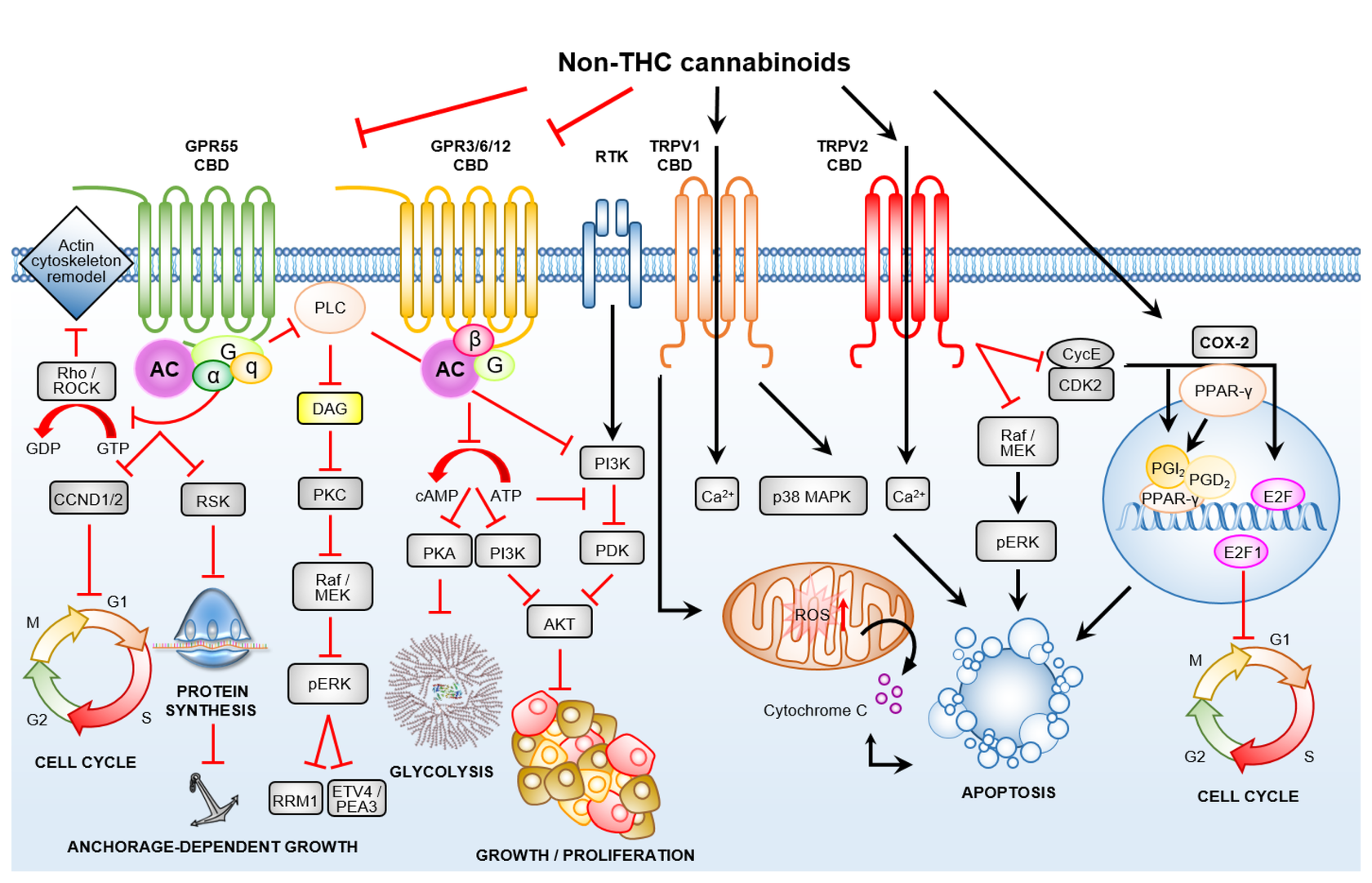
“The CBD variety has greater efficacy, lower toxicity and fewer side effects, potentially making it an ideal complementary therapy to combine with other anti-cancer drugs.”
The next phase of research involves studying what makes cancer cells sensitive and normal cells not, whether the results are clinically relevant, or whether cannabis compounds respond to different types of cancer.
“We need to understand the mechanism so we can find ways to add other potentiating drugs, and week after week we get more clues! This is really exciting and very important if we want to move from laboratory experiments to real therapy” adds Dr. Dan, stressing that CBD-enriched cannabis is not yet ready for clinical use as an anti-cancer agent.
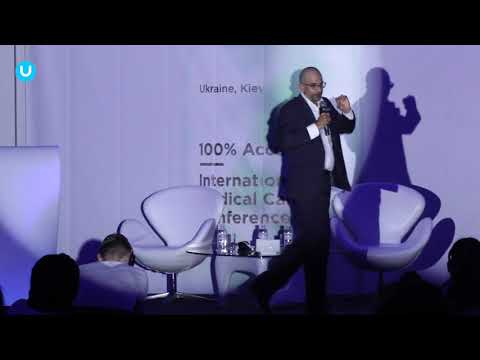
Doctor of Political Sciences, independent researcher of the Department of Sociology of the University of Geneva on the experience of Switzerland in regulating the status of cannabis.

For the well-known journalist and TV presenter, the war with oncology became the special impetus that not only gave her the impetus to move on, but also gave rise to the desire to help many people who face this problem every day.
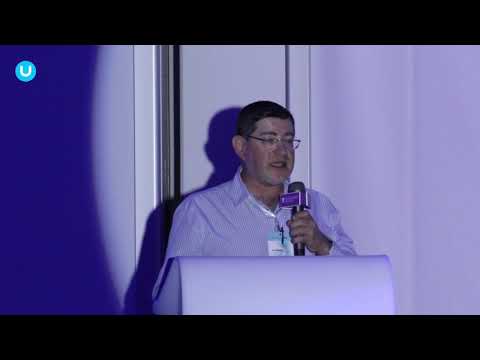
Psychoneurologist Ilya Reznik on the practice of using medical cannabis, research and their results.