Study: “No Evidence” That Medical Cannabis Access Laws Encourage Youth Marijuana Use

Baltimore, MD: Neither the enactment of medical cannabis legalization laws nor the establishment of dispensaries are associated with any upticks in young people’s use of marijuana, according to data published in the journal Substance Abuse.
A team of investigators affiliated with John Hopkins University in Baltimore, as well as with Harvard University and the Massachusetts Cannabis Control Commission reviewed cannabis use trends in more than one-million adolescents (grades 9-12) over a nearly 25-year period.
Consistent with prior studies, authors concluded, “This study found no evidence between 1991 and 2015 of increases in adolescents reporting past 30-day marijuana use or heavy marijuana use associated with state MML [medical marijuana law] enactment or operational MML dispensaries.”
Authors added: “Our main finding was that adolescents residing in states with MMLs had significantly lower odds of past 30-day (‘current’) marijuana use compared to adolescents residing in non-MML states (6 percent). In grade stratified analyses, the 9th graders had 9 percent lower odds, whereas there were no differences for other grade levels.”
Commenting on the study’s findings, NORML Deputy Director Paul Armentano said: “These data, gathered from 46 states over more than two decades, show unequivocally that medical cannabis access can be legally regulated in a manner that is safe, effective, and that does not inadvertently impact young people’s habits. These findings should reassure politicians and others that states’ real-world experience with medical cannabis distribution is a success from both a public health and a public safety perspective.”
Full text of the study, “Medical marijuana laws (MMLs) and dispensary provisions not associated with higher odds of adolescent or heavy marijuana use: A 46 state analysis, 1991-2015,” appears in Substance Abuse. Additional information is available from the NORML fact sheet, “Marijuana Regulation and Teen Use Rates.”

Early results of a long-awaited study on marijuana as a treatment for post-traumatic stress disorder show that veterans who smoked two components of cannabis saw decreases in their symptoms.
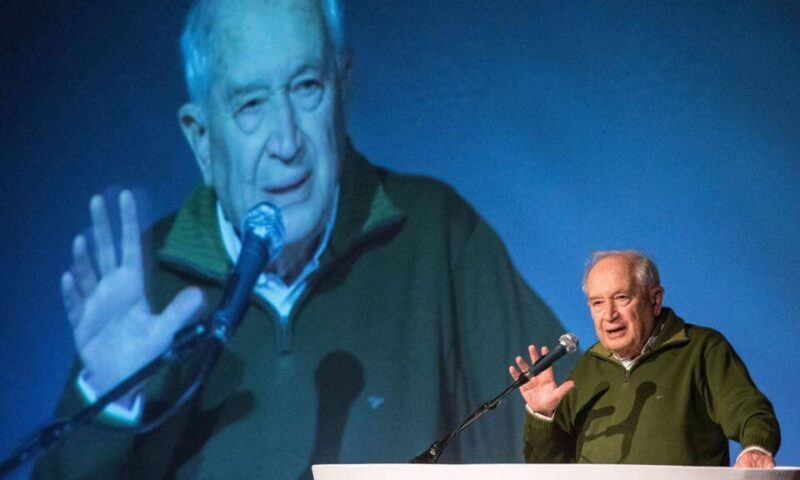
One of the most prestigious scientific awards, Technion’s Harvey prize in Chemical Engineering and Medical Sciences, went to Professor Raphael Mechoulam – the “Godfather” of modern cannabis medicine.
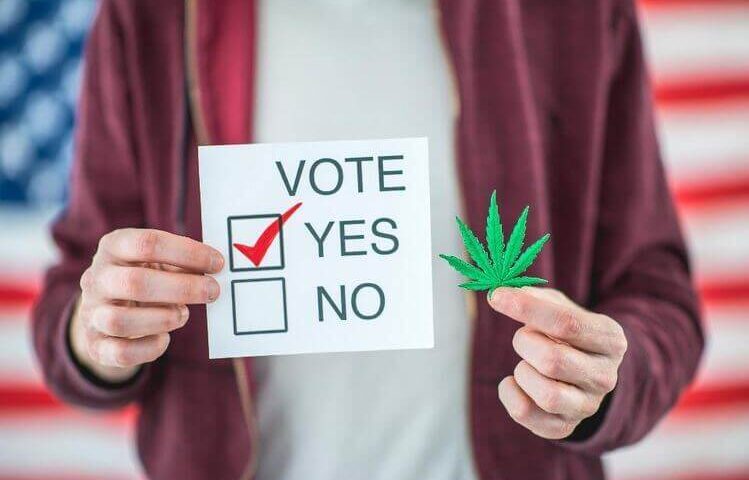
Steny Hoyer, the leader of the majority of houses of parliament, said that postponed vote on landmark legislation that lifts the federal ban on cannabis will take place within a week